Learning in The Deep End
The swimming pool analogy every learner needs to hear
If you've ever read clinical psychologist Dr. Lisa Damour or heard her speak, you know that her work has a particular quality to it (she knows teenagers). She takes the messy, confusing, sometimes alarming experience of living alongside an adolescent and makes it feel…not easier exactly…but less frightening, and much more legible.
Her swimming pool analogy from Untangled, now in an updated 2025 edition, is one of those ideas that once you listen to it, you can't unhear it. I've been thinking about it through a learning strategy lens for a bit, and I want to share what I've been sitting with, because I think it has something specific and useful to offer everyone in this community, parents, educators, and learners themselves.
The Swimming Pool Analogy for Learning
Here's the analogy, briefly, in case you haven't encountered it.
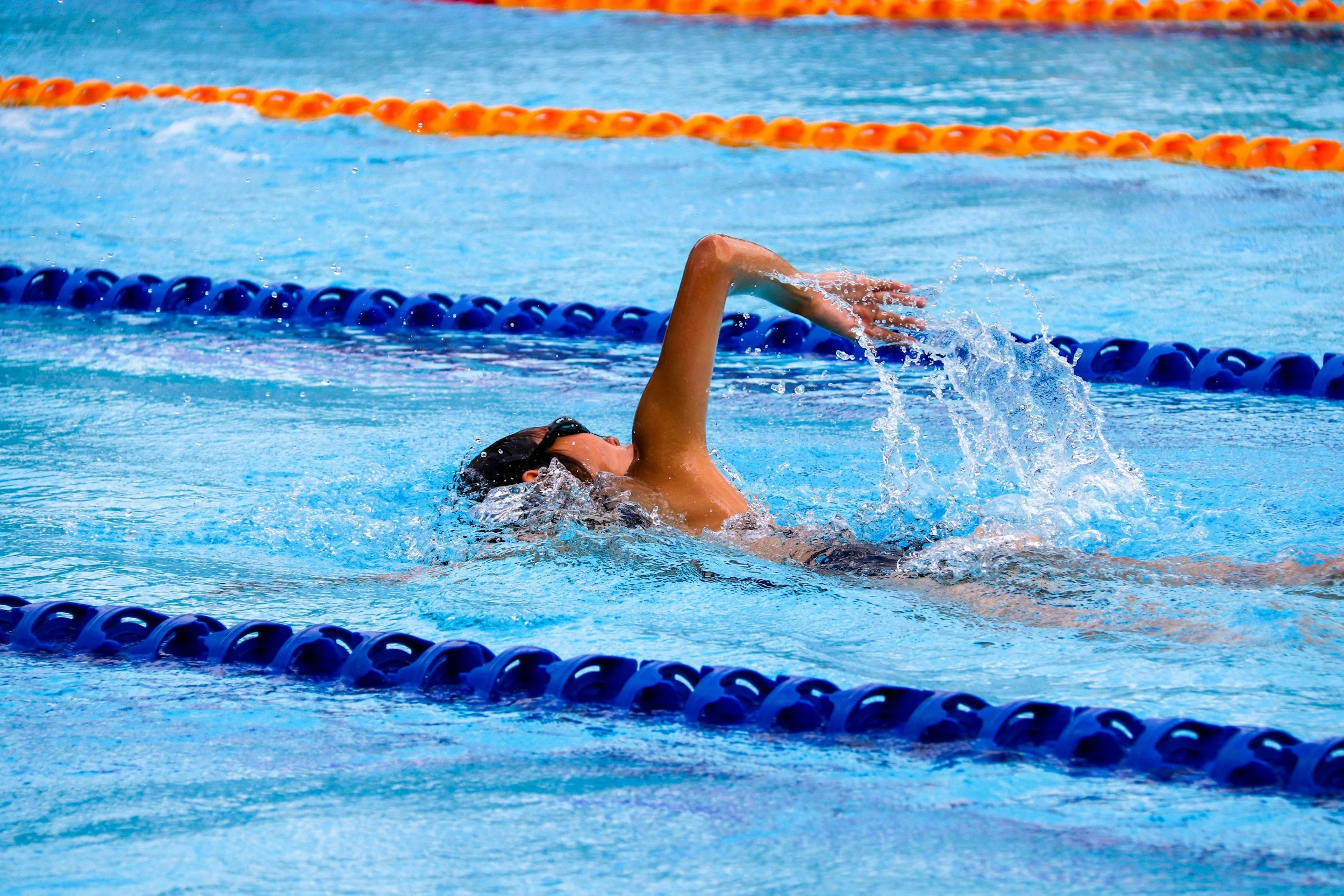
Damour asks us to picture three things: a swimmer, the water, and the pool. The swimmer is the teenager. The water is the outside world, friends, school, activities, all of the growing-up that happens out there. And the pool, specifically its wall or edge, is the parent (or from our stance, a chosen family member, mentor, or family-like guide): the structure that holds the whole thing together and provides a place to return to.
Adolescents, Damour says, want to be in the water. They're drawn to it. They push toward independence, toward peers, toward the deep end of becoming an adult. But when they get dunked…when they get overwhelmed or exhausted or emotionally flooded…they instinctively swim back to the wall. They reach for the parent. They recharge. And then, often abruptly, sometimes almost rudely, they push off again. Back into the water.
The cycle repeats.
The push-off can feel personal, like rejection, or ingratitude, or an inexplicable mood shift. Damour's gift is in reframing it: the push-off isn't a verdict on the relationship, it's a developmental move. The swimmer needs the wall to be solid enough to push off from. That is Damour's framework entirely, and it's a beautiful, accurate, and generous piece of thinking about growing up.
What I want to offer is where it lives in the learning context specifically.
Navigating Academic Waters
School is a significant portion of the water, and some of it runs very deep.
When we think about what teenagers and young adults are swimming through on any given day… a confusing lecture, a failed quiz, an essay that won't come together, a course that suddenly feels impossible, a classroom where they don't feel like they belong…that is a lot (of turbulent, wavy water) to be in. A bad grade can feel like a verdict. A concept that won't resolve can feel like evidence of something permanent and damning about their ability. A classroom where they raised their hand and it didn't go well can feel like a door closing. These experiences sit in the water with real weight.
What I've noticed in nearly two decades of learning strategy work is that the learners who navigate the academic water most successfully are not the ones who never get dunked, they're the ones who know where the wall is.
In the learning context, the wall isn't only the parent. It can be an educator who has made clear that office hours are genuinely welcome. A learning strategist who knows how to help a student decode what went wrong and what techniques, tools, and systems to try differently. A specific strategy that gives a learner a foothold when the material feels like it's pulling them under. Even, sometimes, a peer who's further along in the same water and reaches back (blessings to those classmates who share high quality notes as an example, or non-judgmentally do a homework walk-through recap the next morning for a friend).
What matters is that the wall is there, that it's solid, and that the learner knows how to find it.
What Getting Dunked Looks Like
Here’s some timely advice for parents: academic overwhelm in a learner doesn't always arrive looking like distress. Sometimes it arrives looking like avoidance and procrastination. Or irritability about the teacher or class task. Or a sudden desire to be near you after days of distance. Or the opposite: a withdrawal that goes a layer deeper than the usual teenage preference for privacy.
These are often swimming-back-to-the-wall moments, even when they don't announce themselves as such.
When a learner comes home having been dunked by something academic, the most useful thing is rarely to immediately problem-solve. The wall doesn't drag the swimmer out of the pool and lecture them about technique. It just holds, it's steady, and it lets the swimmer-learner catch their breath.
That might look like sitting with them while they eat, asking one genuine question and then listening without agenda, trusting that the push-off, when it comes, is healthy even when it stings.
Where learning strategy comes in is slightly later. Once they've caught their breath, that's often the moment when a conversation about what actually happened academically, what they didn't understand, what strategy might help, what support exists, becomes possible.
How Educators Can Help in Classroom Settings
This translates directly into the educational relationship too. The instructors and teachers I've seen change a learner's academic trajectory aren't always the ones with the most content expertise. They're often the ones who communicated, somehow, that the wall was there. That office hours existed for confusion, not just excellence. That an incorrect answer risked in class wasn't a closed door. That the learner had a place in the room.
A classroom with no accessible wall leaves the swimmer out there without anything to hold onto.
How Students Can Find Their “Walls”
If you're the swimmer (brava for signing up for a learning strategies newsletter and taking the time to read this!), whether you're in grade 9 or in your third year of university, the most practical thing I can offer is this: before you need a wall, know where yours are.
Not in a crisis-planning way, just in a practical, eyes-open way. Who in your academic life has signalled that they're available? Which support services exist and where? Which strategies have worked before when the material felt like it was pulling you under?
A learner who has thought about this before being dunked is in a fundamentally different position than one who is searching for a wall while actively treading water, struggling to stay afloat. Building that map of supports, strategies, and people is itself a learning strategy. It's not peripheral to academic success…it's foundational to it.
Normalizing The Deep End Cycle
This cycle Dr. Damour describes, out into the water, back to the wall, push off again, is developmentally normal. The dunking is normal. The push-off is normal. What she gives us is permission to stop reading these moments as catastrophe and start reading them as pattern. And what learning strategy offers, I hope, is the practical tools to make sure the wall is always somewhere nearby.